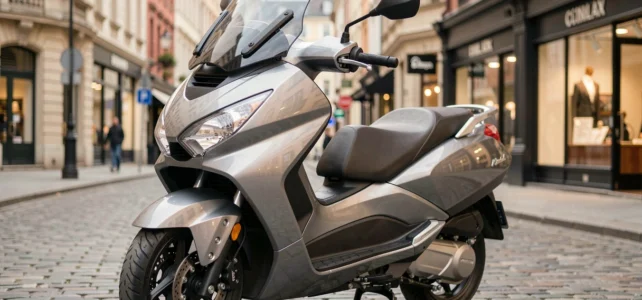
Comparing maxi-scooters labeled “400 cm³” first requires checking what this label entails. Several models regularly classified in this segment display very different actual displacements, which skews any reading based solely on the technical sheet. The real sorting is done on a set of less visible criteria: cost of use, duo comfort, dealership accessibility, and insurance premium.
Actual displacement and technical sheet: the trap of the 400 cm³ segment
The term “maxi-scooter 400” has become a commercial shortcut. The BMW C 400 GT and the Yamaha TMAX 560 often appear in the same comparisons, even though they do not share the same displacement or power level. The Kymco AK 550 and the Honda Forza 750 are also frequently compared to much more modest machines.
This confusion has a direct impact on the budget. A model whose displacement significantly exceeds 400 cm³ results in a higher insurance rate, greater fuel consumption, and maintenance sometimes aligned with intervals typical of larger displacements. Before consulting a comparison of maxi scooters 400, it is therefore essential to verify the exact displacement of each selected model.
The table below helps to situate the main models encountered in this segment, distinguishing those that truly belong to the 400 cm³ category from those that are included by classification abuse.
| Model | Displayed Segment | Actual Category | Positioning |
|---|---|---|---|
| Yamaha XMAX 400 | 400 cm³ | 400 cm³ | Urban/road versatile |
| BMW C 400 GT | 400 cm³ | ~350 cm³ | Premium urban GT |
| Peugeot XP400 | 400 cm³ | 400 cm³ | Mixed road/light trails |
| Yamaha TMAX 560 | Often classified “400” | 560 cm³ | Sport/GT |
| Kymco AK 550 | Often classified “400” | 550 cm³ | Grand touring |
Real cost of a maxi-scooter 400: price, insurance, and maintenance
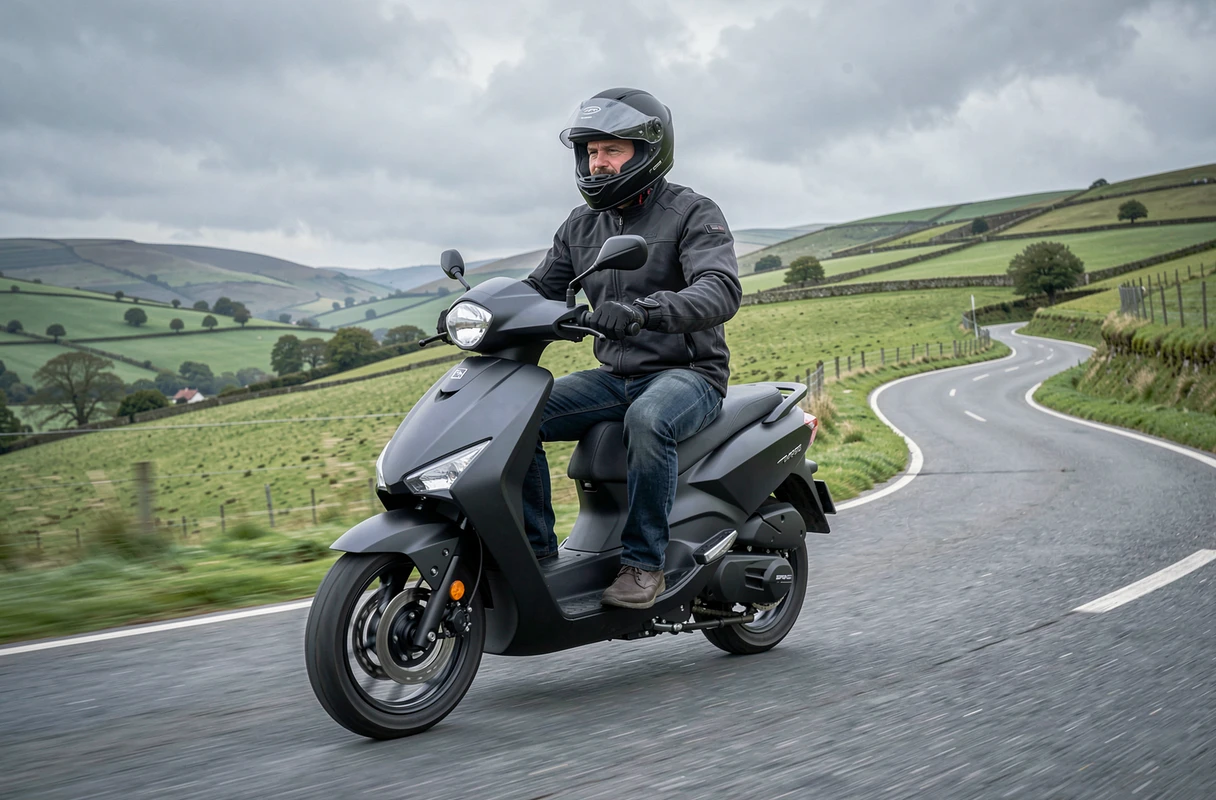
The catalog price represents only a fraction of the annual cost of a maxi-scooter. Insurance is the most variable item from one model to another, depending on the actual displacement, power, and claims profile of each machine. A BMW C 400 GT, positioned as premium, costs more to insure than a Yamaha XMAX 400, even though its displacement is slightly lower.
Fuel consumption also widens the gaps over a full year. Models exceeding 500 cm³ logically display a higher appetite, which diminishes their power advantage for primarily urban or suburban use.
- The insurance rate varies significantly based on actual displacement and the required license category (A2 or A).
- Routine maintenance (brake pads, belt, oil change) follows different intervals depending on the manufacturers, with an advantage for Japanese models in terms of parts availability.
- The depreciation at resale penalizes European premium models more than best-sellers like the Yamaha XMAX or TMAX.
An accessible model at purchase can become the most expensive over three years if these items are neglected. The calculation of total cost of ownership (purchase, insurance, maintenance, fuel) can sometimes radically change the ranking compared to just the entry price.
Duo use and seat comfort: a decisive criterion for daily trips
The ability to ride comfortably with two people separates true GTs from urban scooters dressed as maxis. The seat area and the presence of integrated passenger grips vary significantly from one model to another, even within the same price segment.
The Yamaha XMAX 400 offers a decent seat for the rider but is tighter for the passenger on long trips. The BMW C 400 GT pays more attention to duo comfort with an optional backrest and a more open riding position. In contrast, the Peugeot XP400, with its adventure orientation and higher seat, is better suited for solo or mixed road/trail use.
For those considering regular two-person trips, seat height, passenger legroom, and the capacity of the under-seat storage (minimum for a full-face helmet) are criteria to check physically at the dealership, not just on a technical sheet.
Dealership availability and delivery times in 2024
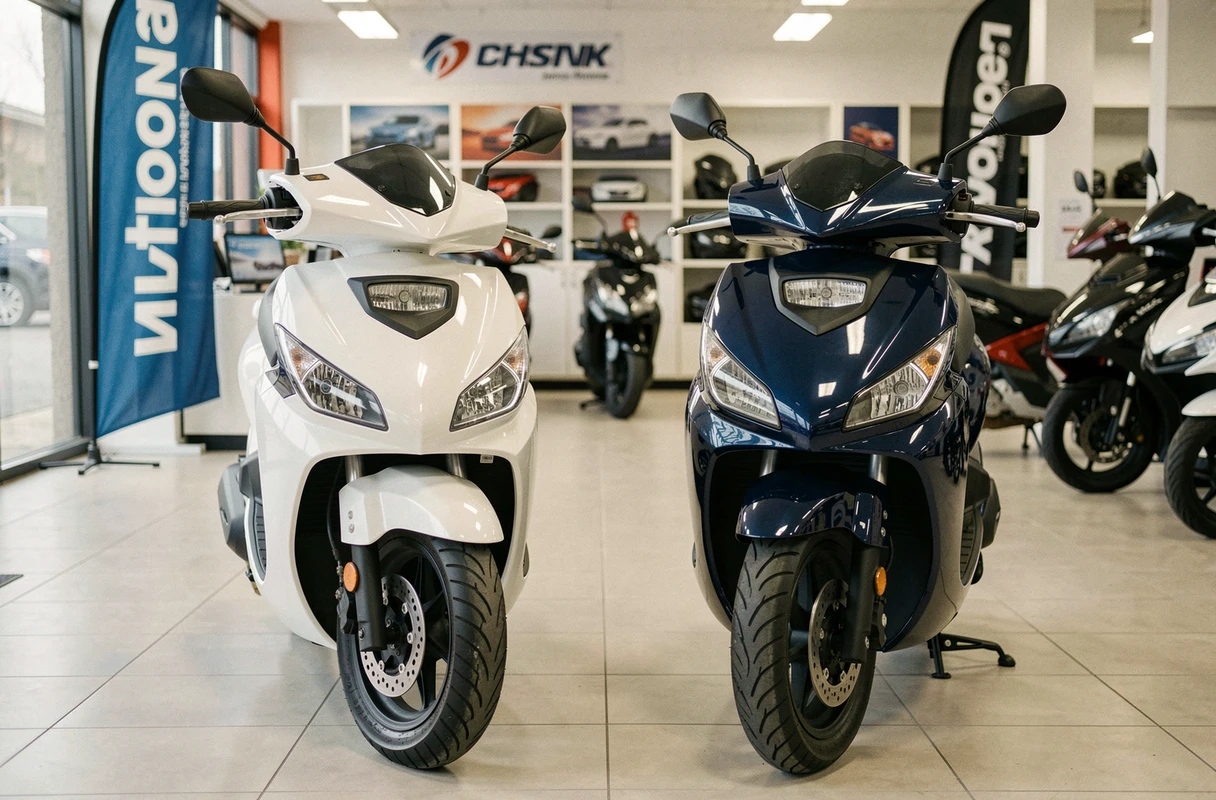
Actual dealership availability remains an underestimated factor in comparisons. A model well-rated on paper loses its appeal if it requires several months of waiting or if the distribution network does not cover your geographical area.
The Yamaha and Honda networks benefit from the densest coverage in France, making testing, purchasing, and maintenance easier. BMW has a more limited network, concentrated in major urban areas. Peugeot Motocycles, currently restructuring its two-wheeler network, presents uneven coverage depending on the regions.
Kymco suffers from a similar issue: despite attractive technical sheets, the dealership network remains limited, complicating maintenance and resale. A good after-sales network weighs as much as a good engine in long-term satisfaction.
Thermal or electric: does the BMW CE 04 change the game in this segment?
The BMW CE 04 now appears in buying guides alongside thermal maxi-scooters. This positioning indicates that the thermal/electric arbitration is no longer theoretical for buyers in this segment.
The limited range of the CE 04 compared to a full tank of XMAX 400 remains the main drawback. For strictly urban use with home charging, electric holds up well in terms of energy cost. Conversely, as soon as trips exceed a hundred kilometers or include highways, the thermal retains a clear practical advantage in 2024.
The thermal 400 cm³ segment thus remains relevant for the majority of mixed uses. Electric is progressing, but the range/price/recharging infrastructure ratio does not yet allow it to be recommended as the primary choice for versatile use.
The most rational choice in 2024 depends less on the displayed power than on the total cost over three years, the quality of the dealership network, and actual use (solo, duo, urban, mixed). A test ride at the dealership with a passenger remains the best filter before any purchasing decision.