Paraguay-France in the round of 16, the first stage of the Tour de France, Wimbledon getting into the thick of things: this first week of July 2026 is packed with events to keep an eye on, if only to understand the dynamics unfolding in each discipline.
2026 World Cup: damaged pitches and carbon footprint in the spotlight
Since the start of the North American World Cup, the condition of the pitches has raised numerous questions. Several fields, initially designed for American football or baseball, are showing signs of early wear that complicate the ground game.
The other underlying issue concerns the environmental impact of the tournament. Specialized media and NGOs have documented a carbon footprint described as “colossal,” primarily linked to the increase in air travel between host cities. The distances between some competition sites make land travel nearly impossible for both teams and supporters, significantly worsening the ecological balance of the 2026 edition.
On the spectator side, travel restrictions and entry conditions to certain host countries have also cooled part of the international audience. Supporter communities report a real deterrent effect, especially for fans from countries subjected to strict visa procedures. To learn more about Sportlinea, the platform closely monitors these issues that extend far beyond the sporting framework.
Paraguay-France in the round of 16: what the pitch reveals
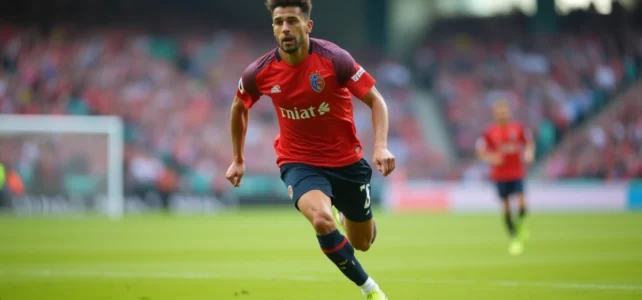
The clash this Friday night in Philadelphia pits two teams with radically different profiles against each other. The Blues field a fiery attack, but Paraguay has shown remarkable defensive solidity throughout the group stage. The Paraguayan low block traps teams that want to dominate possession.
A statistic circulated at the start of the match: Paraguay had completed only fourteen passes after fifteen minutes of play. This is not an accident; it’s a method. The Albirroja embraces a direct style of play, physical duels, and disciplined retreat that frustrates opposing attackers.
The weather conditions in Philadelphia (heavy heat, risk of thunderstorms) add a variable that the coaching staffs cannot control. In this type of match, managing effort and the ability to score during the rare key moments become more decisive than raw technical quality.
The Bouaddi case, a sensitive topic for the French side
Ayyoub Bouaddi’s choice to represent Morocco rather than France continues to fuel discussions. The FFF finds itself criticized for failing to convince the player, while Morocco is building an increasingly competitive team by attracting dual nationals trained in Europe. The Canada-Morocco match, which ended in a clear victory for the Lions of the Atlas, further reinforced this observation.
Tour de France 2026: lessons from the first stage
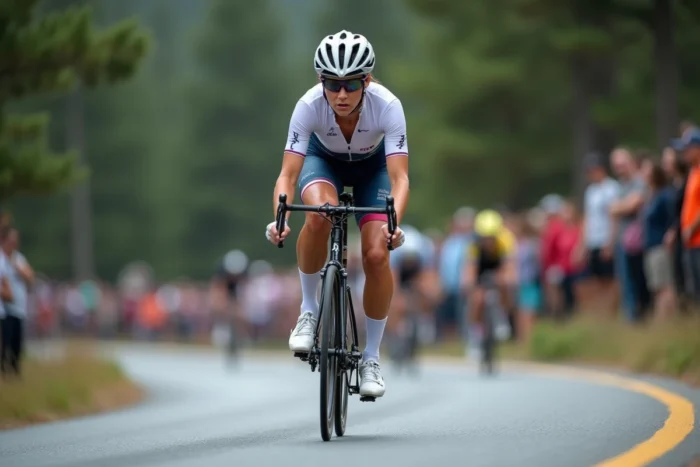
The Tour took off this Friday with a first stage that has already reshuffled some cards. The general classification after this opening provides an indication of the favorites’ form, even though we know that the first stages mainly reserve surprises for sprinters and time trialists.
What we take away from the field:
- The gaps remain minimal, but some presumed leaders have already conceded a few seconds on technical sections
- The crosswinds caused splits that trapped several teams poorly positioned in the peloton
- The usual nervousness of the first kilometers led to falls, reminding us that managing risk takes precedence over ambition during the opening stages
The rest of the first week will reveal whether the climbing teams have prepared a sufficiently strong block to protect their leaders on the flat stages before the arrival of the mountains.
Wimbledon and Formula 1: two parallel events
The London grass is hosting the men’s and women’s draws in their decisive phase. The Wimbledon round of 16 begins this week, with matchups that will clarify the hierarchy on grass. The five-set format for men favors endurance players, and the early rounds have already produced their share of surprising eliminations.
In Formula 1, the British Grand Prix sent a strong signal during the sprint race: Antonelli outpaced Hamilton on the Silverstone circuit. For Mercedes, seeing its young driver take the upper hand over the seven-time world champion in his own backyard marks a turning point in the internal dynamics of the team.
Rugby: the narrow defeat of the French XV in New Zealand
The French XV came close to an upset against the All Blacks during the summer tour. Details in discipline and effectiveness in set pieces made the difference. Coach Fabien Galthié noted that the New Zealanders “had a very close call,” which confirms the progress of the French pack abroad, even if the final result remains a defeat.
Female sports journalists: a persistent imbalance in accreditations
A less publicized but structural issue: the number of accreditations granted to female journalists from the French written press to cover the 2026 World Cup remains low. This observation fuels an ongoing debate about the role of women in the media coverage of major sporting events.
Underrepresentation is not limited to the press boxes. It is also found in newsrooms, TV sets, and editorial choices. Feedback varies on the actual evolution of the situation, but the numerical observation remains difficult to contest.
This week in July 2026 illustrates a clear trend: major sporting events overlap and generate debates that go beyond the simple final score. Between the environmental issues of the World Cup, access challenges for supporters, and media representation, these topics will carry through the summer well beyond the results displayed on the scoreboard.